
Overview
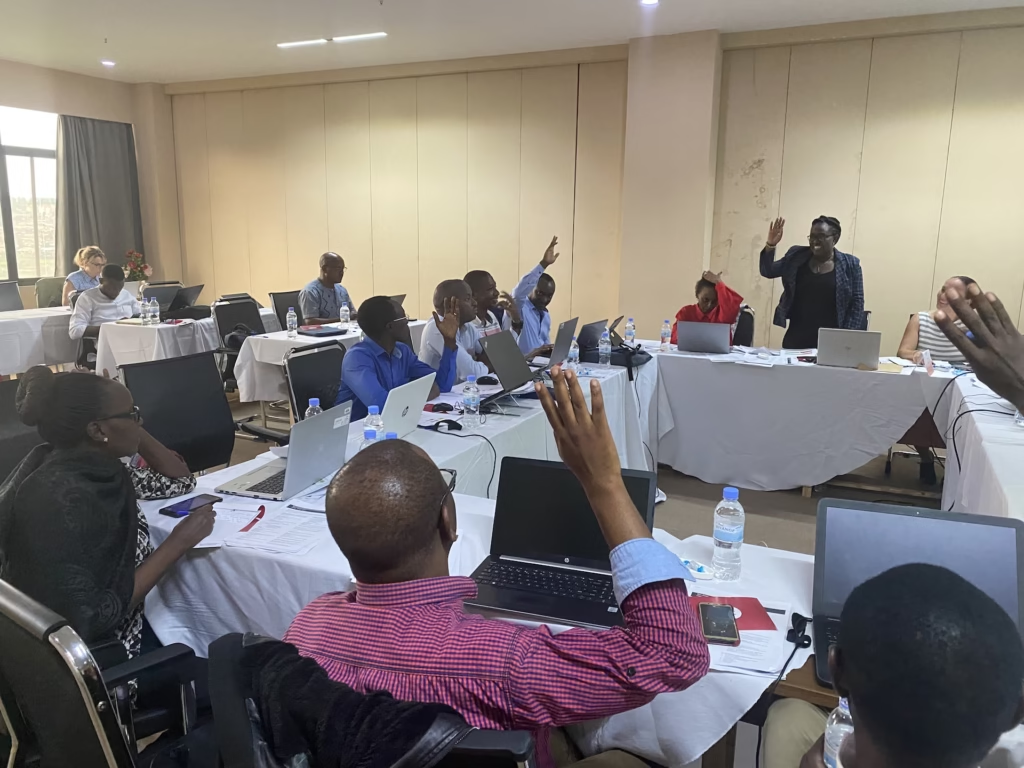
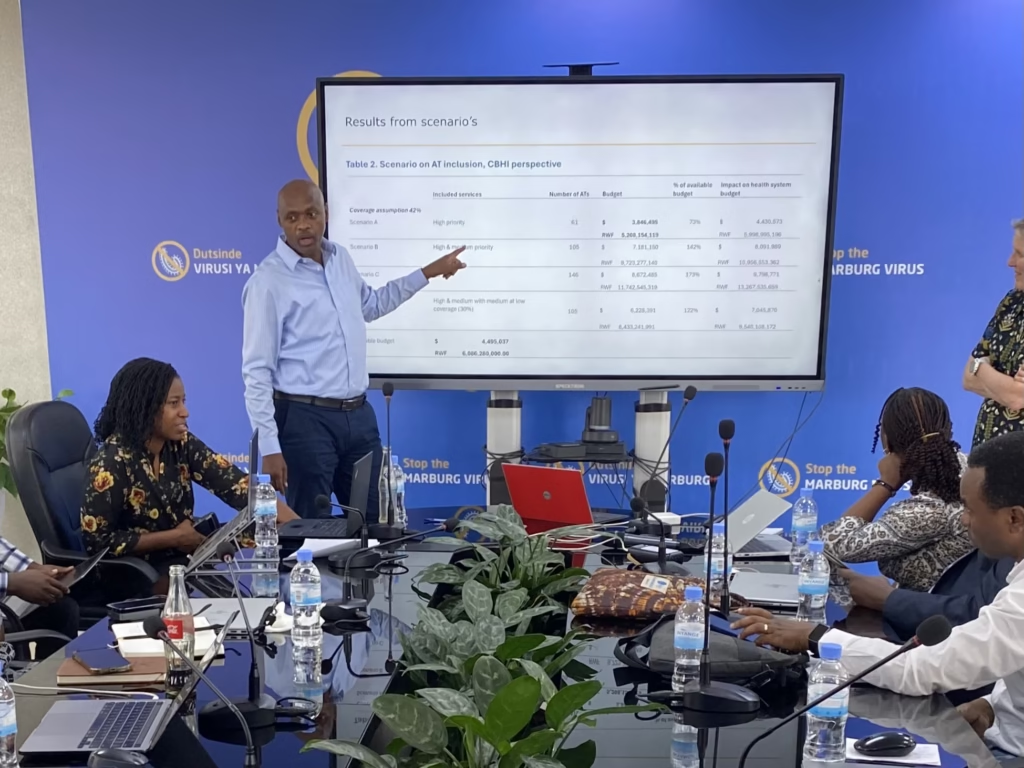
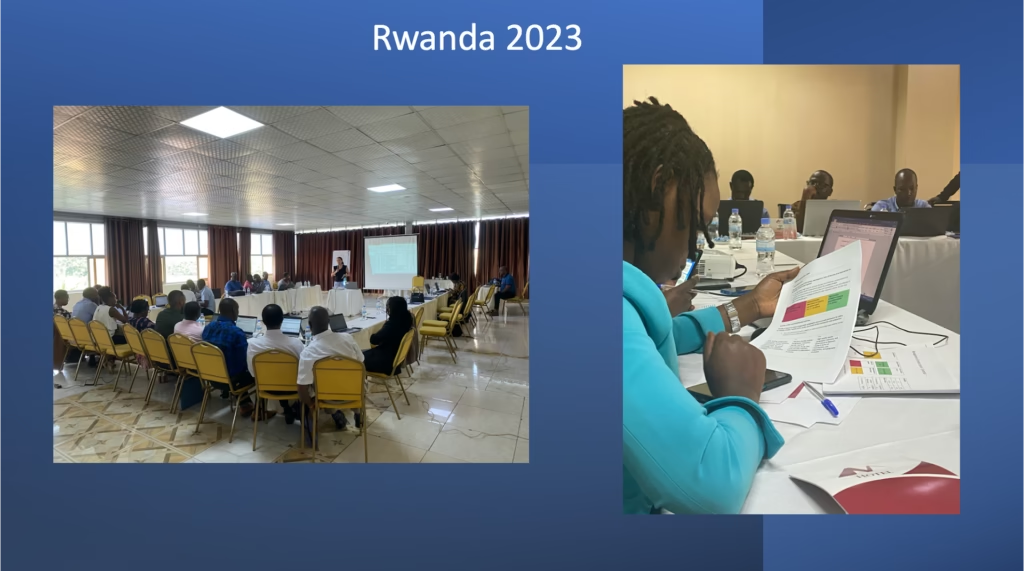
In Rwanda, we supported a comprehensive sectoral review of cancer services as part of the broader Health Benefits Package (HBP) reform under the Community-Based Health Insurance (CBHI) scheme from 2021 to 2025. Rather than reassessing the entire HBP, the government prioritised cancer as a high-burden and high-cost disease area requiring structured and evidence-informed prioritisation.
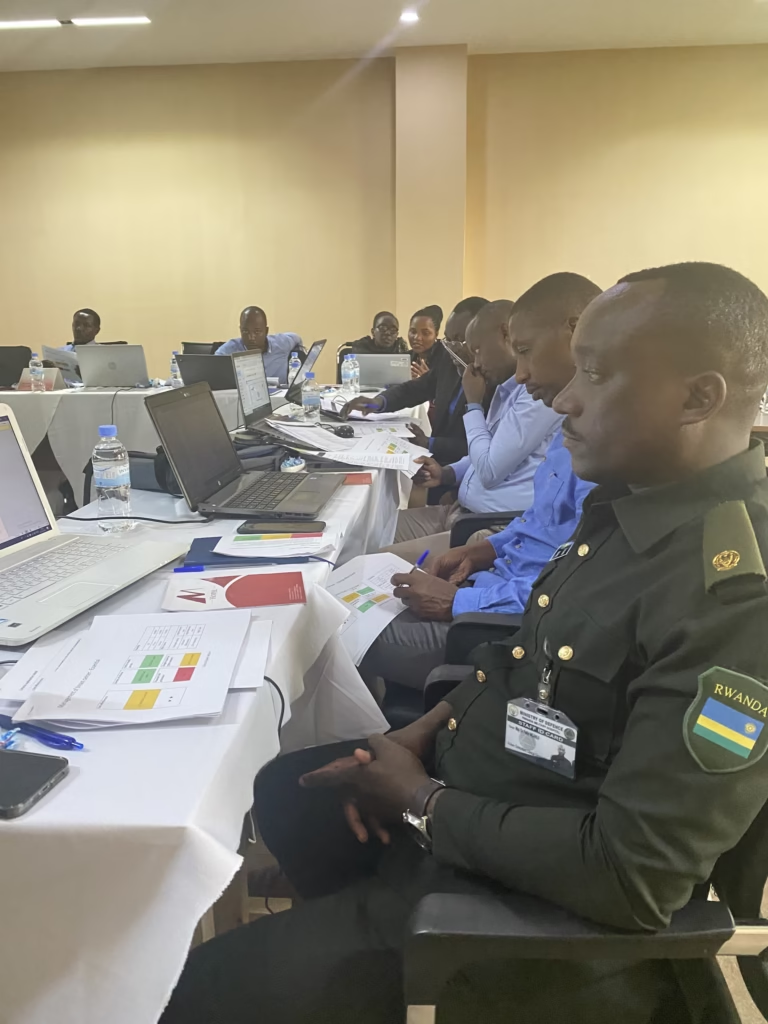
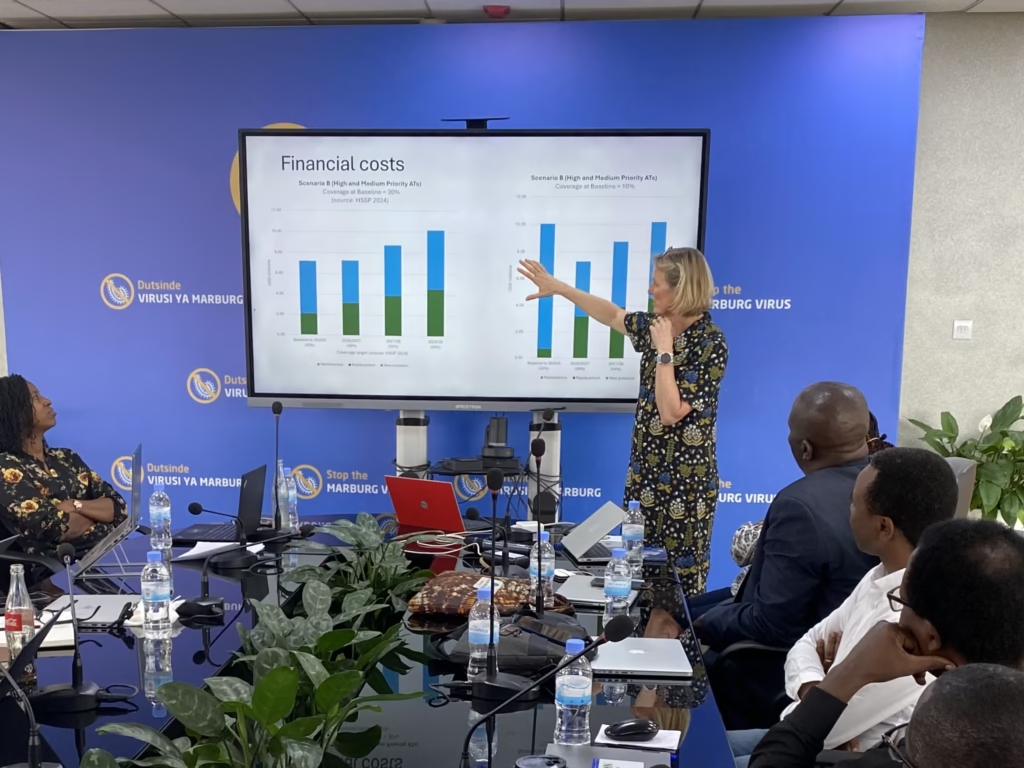
In collaboration with the University of Rwanda, the Rwanda Social Security Board (RSSB), Ministry of Health, the London School of Hygiene and Tropical Medicine, and other (inter)national stakeholders, we developed and applied adaptive Health Technology Assessment (aHTA) methods to assess 49 cancers, each divided into basic, core and enhanced service packages. The review generated cost-effectiveness evidence under significant time, data and capacity constraints. This represents the first large-scale assessment of multiple cancers simultaneously to inform HBP design in a low-income setting.
Context & Objectives
Cancer incidence in Rwanda has increased, with substantial pressure on CBHI reimbursement and national health budgets. While Rwanda has strong UHC coverage (over 80% insured through CBHI), expanding access to high-cost cancer treatments posed fiscal sustainability challenges.
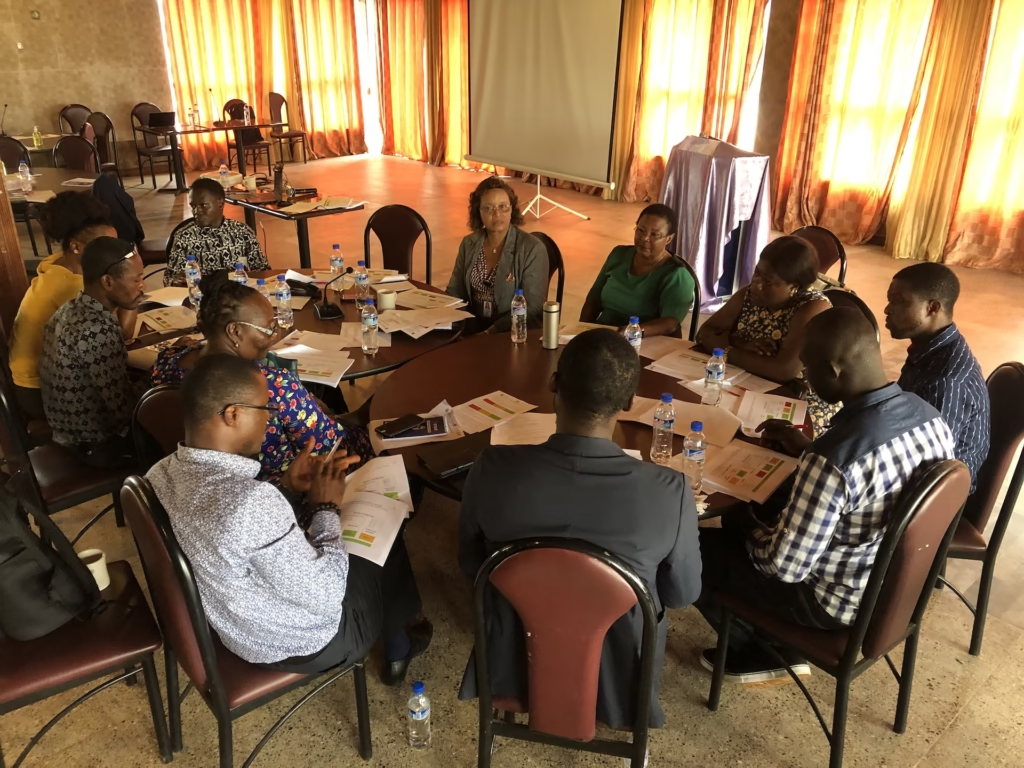
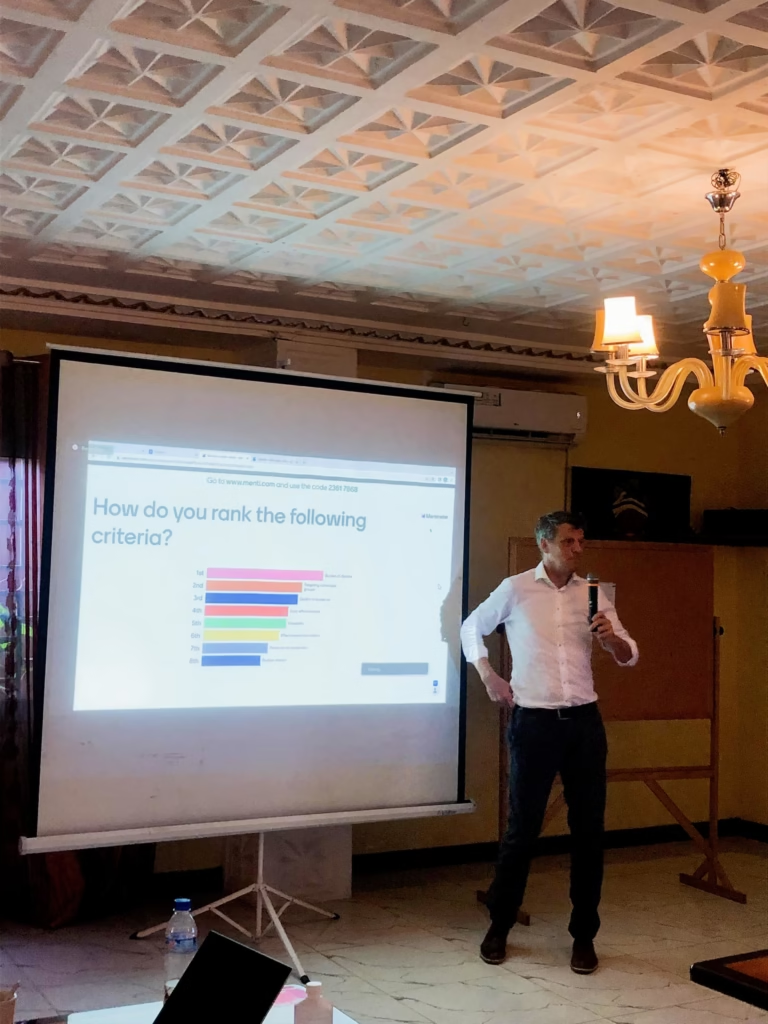
The Ministry of Health initiated a multi-stakeholder prioritisation process assessing cancers against nine criteria, including:
- Cost-effectiveness
- Burden of disease
- Financial risk protection
- Budget impact
- Feasibility
- Equity considerations
The specific objectives of the cost-effectiveness component were to:
- Select appropriate aHTA methods under local constraints
- Identify or generate cost-effectiveness ratios (CERs) for all individual cancer services
- Adjust for transferability across settings
- Strengthen the methodological basis for future HBP prioritisation
Approach & Methods Used
- Division of each cancer into basic, core and enhanced packages using NCCN resource stratification
- Rapid review of the Tufts CEA Registry (12,000+ CEAs) to identify transferable evidence
- Application of structured “knock-out” transferability criteria (intervention match, geography, study quality)
- Recalculation of Average Cost-Effectiveness Ratios (ACERs) to ensure comparability
- Purchasing power parity (PPP) adjustment for cross-country transfer
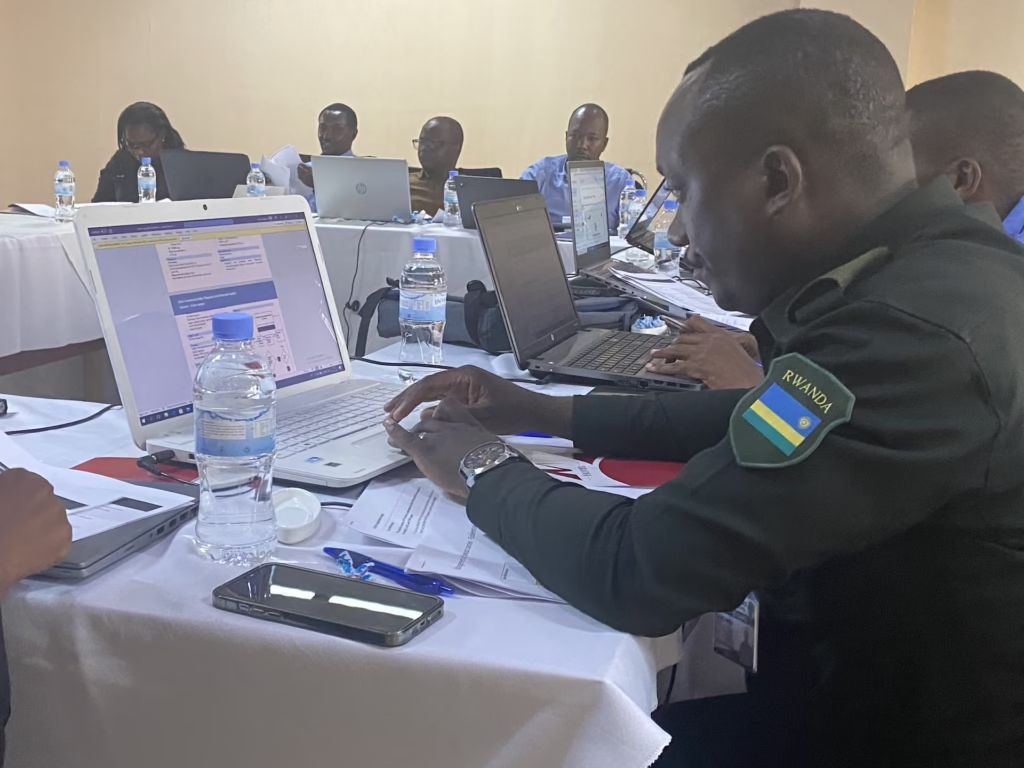
- Structured Expert Elicitation (SEE) with 12 national cancer experts to fill evidence gaps
- Delphi-based consensus scoring for interventions lacking published CEAs
- Explicit categorisation of interventions by cost-effectiveness thresholds relative to GDP per capita.
Outcomes
The assessment demonstrated that large-scale sectoral cost-effectiveness review is feasible within 3–4 months using adaptive HTA methods. Access to pre-extracted CEA databases significantly reduced analytical burden, while structured expert elicitation filled critical evidence gaps.
Key findings include:
- Strong publication bias toward common cancers (e.g. cervical, breast, lung)
- Limited LMIC-specific CEAs for many cancer types
- Need for better reporting standards in global CEA literature
- Importance of clearly communicating uncertainty during appraisal
The Rwanda experience shows how adaptive HTA can support evidence-informed benefit package design in resource-constrained settings, particularly for complex and high-cost disease areas like cancer.
Collaborating Partners
- Government of Rwanda
- Rwanda Social Security Board
- Ministry of Health
- Rwanda Biomedical Center
- University of Rwanda School of Public Health
- London School of Hygiene and Tropical Medicine (LSHTM)
- Clinton Health Access Initiative (CHAI)
- Center for Global Development
- Management Sciences for Health | Palladium
Related Publications & Reports