
Overview
Project description will follow soon.
Related Publications & Reports
- coming soon

A joint research and capacity strengthening programme by Radboudumc and University College London


Project description will follow soon.


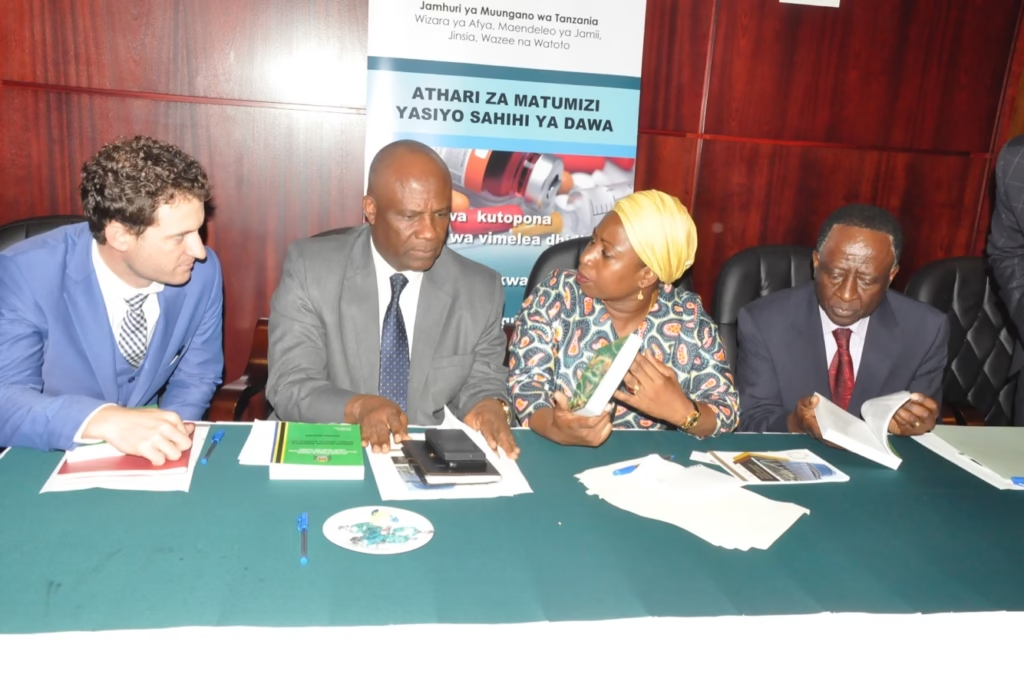
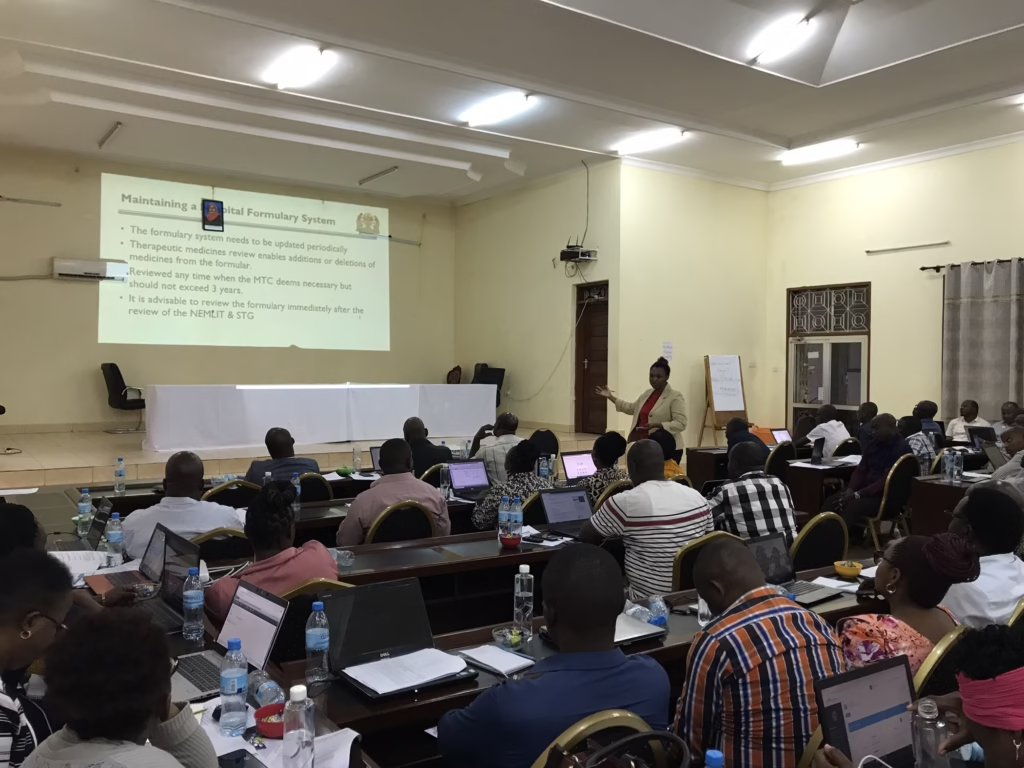
Tanzania was among the first low-income countries in sub-Saharan Africa to attempt to institutionalise a Health Technology Assessment (HTA) process. The country used the revision of its National Essential Medicines List (NEMLIT) as an entry point for evidence-informed decision making.
Through collaboration between the Ministry of Health, Community Development, Gender, Elderly and Children (MoHCDGEC), PATH, PRICELESS SA, and the International Decision Support Initiative (iDSI), structured HTA processes were introduced into medicine selection, and a national HTA committee was subsequently established. The Tanzania experience represents a transition from a system with no formalised priority-setting mechanism toward an emerging, institutionalised, evidence-informed appraisal process embedded within the Ministry’s governance structures.
Prior to 2014, there was no formalised priority-setting mechanism in the Tanzanian health system: decisions were made in a bureaucratic fashion by program-specific committees, with little or no health economic evidence underpinning them. The NEMLIT itself had no adherence requirement in practice, and selection criteria historically covered efficacy, safety, availability, and WHO compliance – with no consideration of cost-effectiveness.
As Tanzania pursued its commitment to Universal Health Coverage, the government aimed to:
By the end of 2017, the revised STG/NEMLIT had incorporated cost-effectiveness criteria for the first time, resulting in approximately 140 medicines removed and 170 new products added based on efficacy, safety, cost-effectiveness and regulatory registration. This was the first time cost-effectiveness had featured in Tanzania’s essential medicines selection process, and it produced the country’s first formal HTA committee.
The 2018 capacity survey found that while THTAC members were well-qualified and experienced in clinical medicine, they had limited experience with economic evaluation, RCTs, or equity analysis, and expressed low confidence in core HTA methods such as ICER interpretation and willingness-to-pay thresholds – providing a concrete baseline for future capacity strengthening.
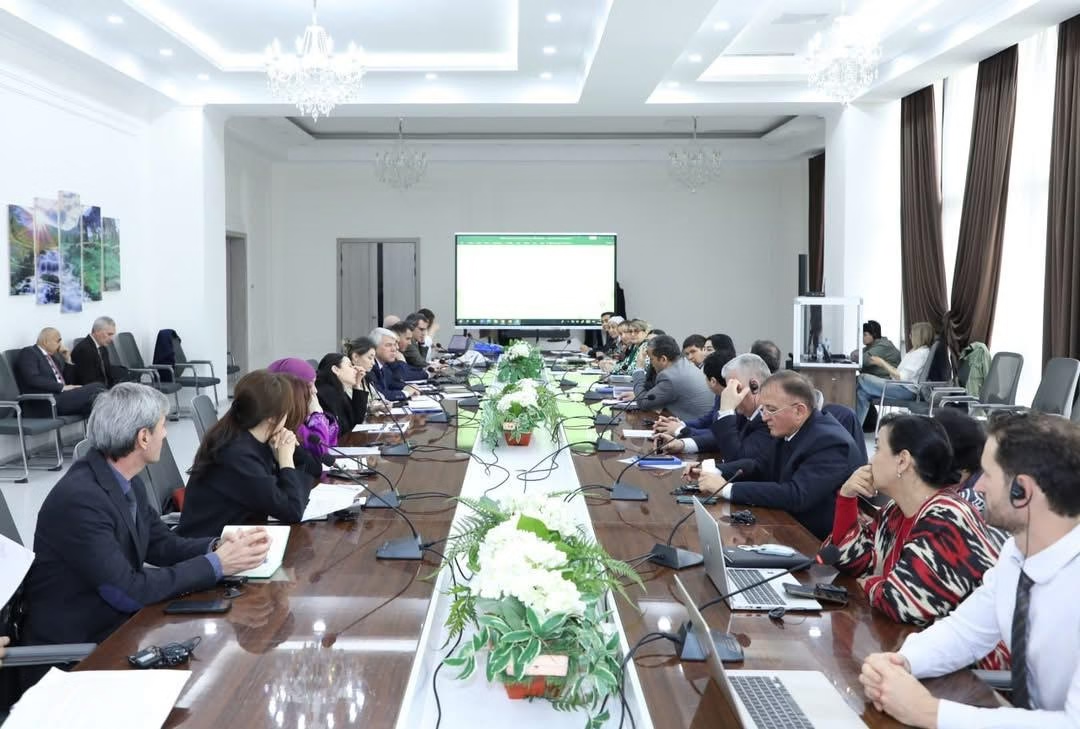
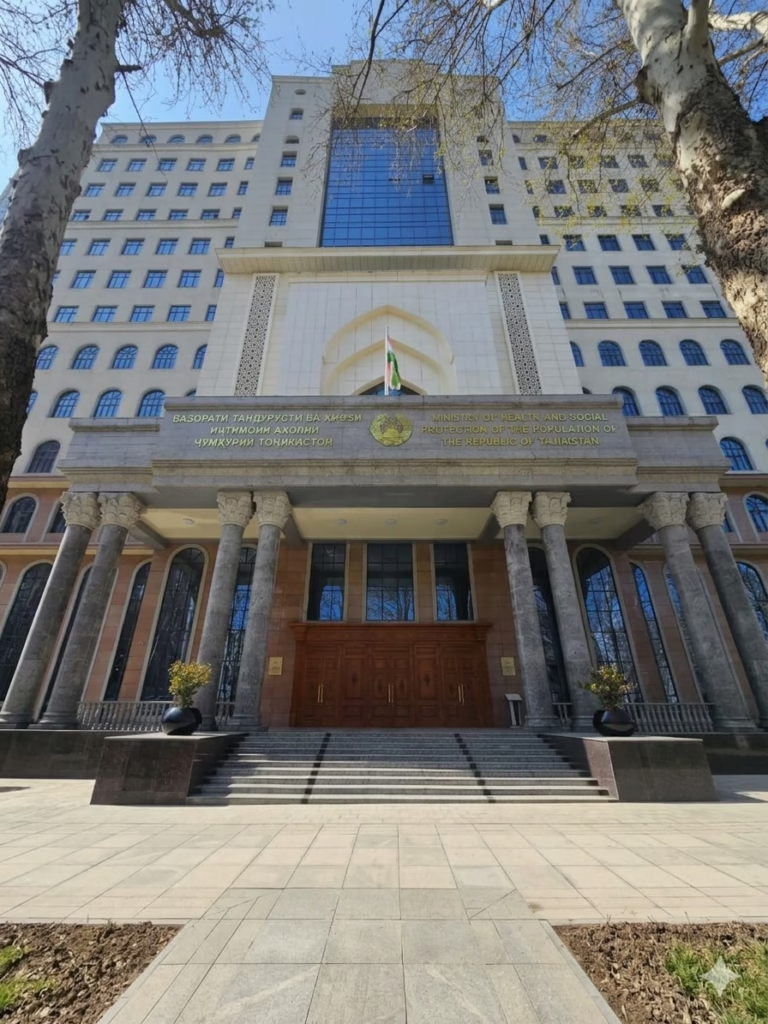
Tajikistan is undertaking a comprehensive reform of its primary health care (PHC) system under the World Bank–financed Millati Solim Project. A central component of this reform is the development and costing of a revised Primary Health Care Benefit Package (PHC) to support the introduction of strategic purchasing and the establishment of a national Health Services Purchasing Structure.
Beginning in 2026, Radboudumc and UCL support the Ministry of Health and Social Protection in reviewing, costing and defining the PHC benefit package as part of broader health financing reforms. The reform aims to align service entitlements with fiscal capacity while strengthening transparency and accountability in purchasing decisions.
The PHC benefit package reform forms part of Subcomponent 2.1 of the Millati Solim Project, which seeks to improve efficiency, equity and financial sustainability in Tajikistan’s health system. A key reform milestone requires the development, costing and formal approval of a revised State-Guaranteed Benefit Package (SGBP) for PHC.
The objectives of our engagement are to:
The reform is designed to ensure that PHC entitlements are clearly defined, financially feasible and institutionally anchored.
Our work is grounded in HTA methods, organised through Evidence-Informed Deliberative Processes (EDPs), ensuring that technical analysis is embedded within formal governance structures.
The planned approach includes:
Methods will be calibrated to available data, institutional capacity and reform timelines.
The reform is expected to deliver:
The Tajikistan engagement represents a forward-looking reform linking benefit package design, fiscal sustainability and purchasing reform within a coherent policy framework.

Ukraine has institutionalised Health Technology Assessment (HTA) within its legislative framework, with the State Expert Centre (SEC) of the Ministry of Health responsible for conducting HTAs and supporting reimbursement and formulary decisions. As HTA was formally embedded only recently, sustainable capacity building became a national priority.
We co-led the design and implementation of a comprehensive HTA training programme aimed at strengthening the skills of HTA doers, users and trainers. The initiative focused on building long-term institutional capacity to support transparent, evidence-informed reimbursement and benefit package decisions.
Following the formal legalisation of HTA in 2020, Ukrainian stakeholders expressed the need for a structured and comprehensive training programme to consolidate national HTA capacity. While earlier awareness-raising efforts had taken place, gaps remained in comparative effectiveness analysis, health economics, qualitative evidence synthesis, ethical analysis, and patient and public involvement.
The objective was not only to train individual analysts, but to strengthen capacity at three levels:
The programme aimed to create a self-sustaining national ecosystem for HTA embedded within formal governance structures.
The experience demonstrates how tailored, competency-based HTA training can support sustainable institutionalisation of HTA in transition settings.
Our work in Ukraine has been done in collaboration with the HTA department of the State Expert Center of the Ministry of Health in Ukraine.
Key partners who have supported this work include:

In Lebanon, we co-developed the first formal Health Technology Assessment (HTA) framework for the National Social Security Fund (NSSF), establishing a structured and institutionalised process for reimbursement decisions. The framework was developed in collaboration with the NSSF Pharmacy Department and is presented as an official national HTA guidebook.
Guided by the principles of Evidence-Informed Deliberative Processes (EDPs), the framework introduces explicit decision criteria, structured assessment and appraisal stages, and defined procedural steps for evaluating new health technologies. It constitutes a foundational step toward institutionalising transparent and standardised reimbursement decision-making within the NSSF.
Working closely with the NSSF, we:
The framework balances methodological rigour with the fiscal realities of Lebanon’s economic crisis, prioritising cost-neutral or cost-saving technologies while gradually building institutional HTA capacity.
This guidebook represents the first published HTA framework in Lebanon and formalises decision-making processes that were previously implicit. It positions the NSSF to transition progressively toward a more comprehensive HTA system, including future integration of cost-effectiveness analysis.
The Lebanon case demonstrates how EDP-based governance design can serve as an entry point for institutionalising HTA in fiscally constrained and politically complex environments.

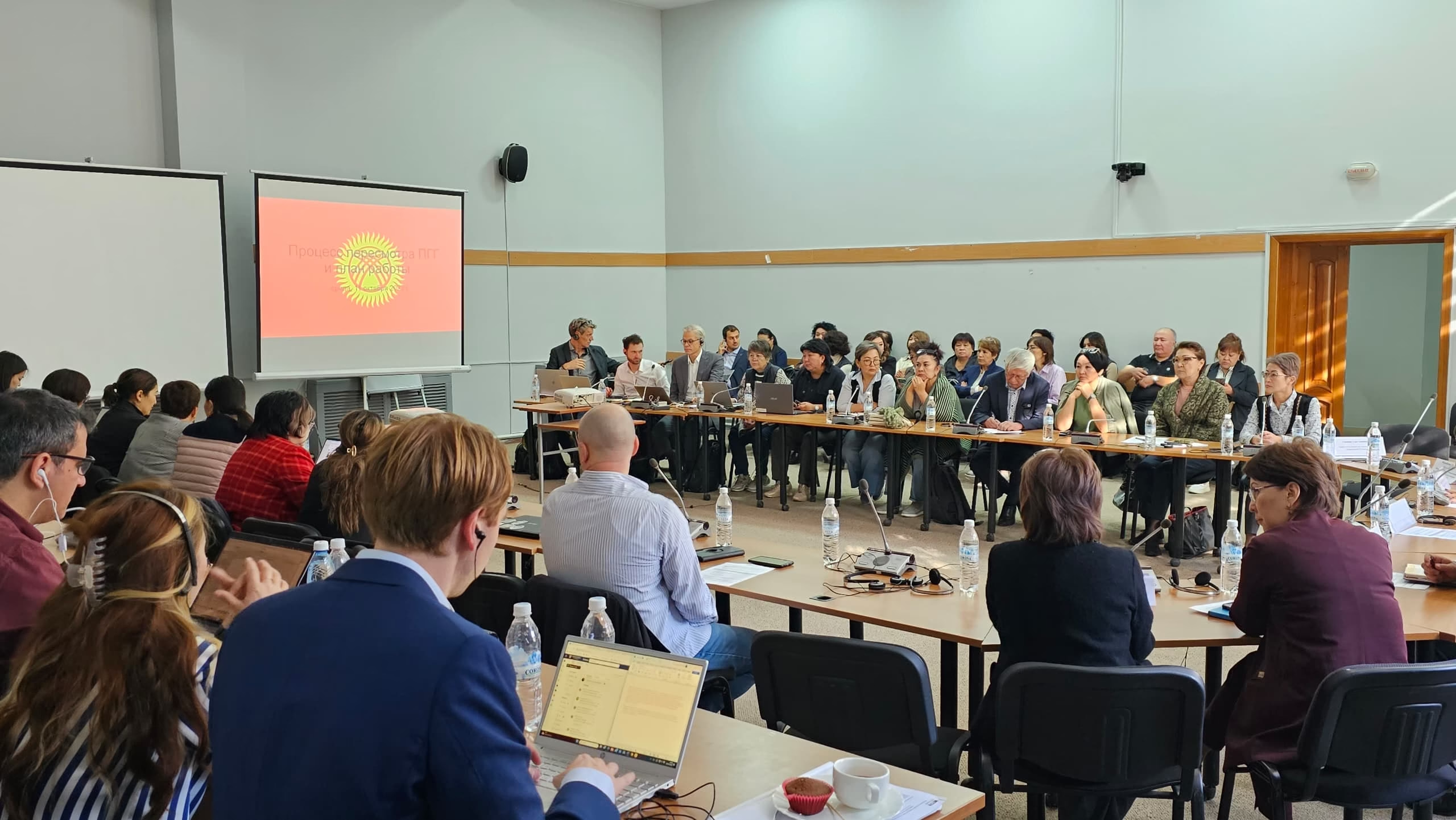
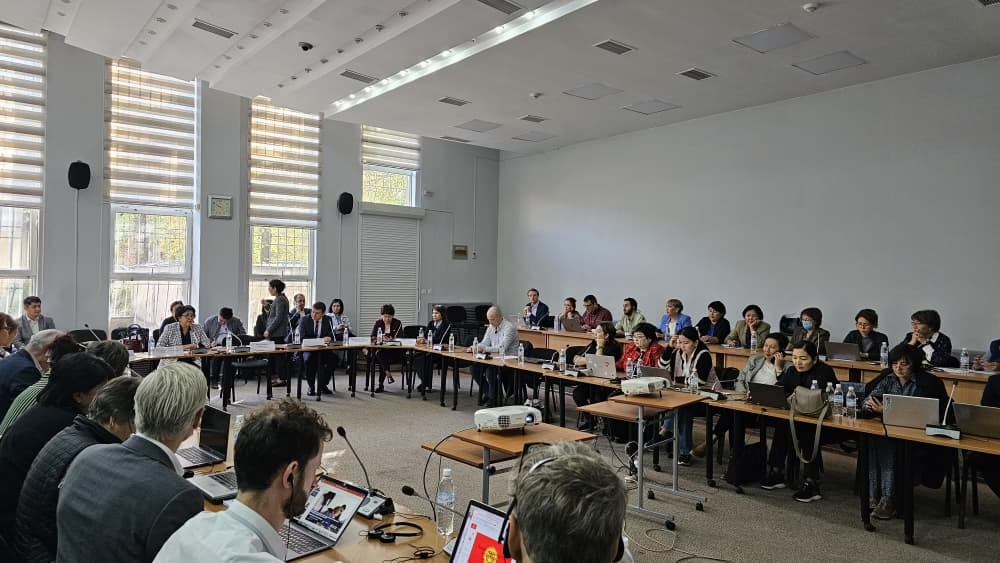
In Kyrgyzstan, Radboudumc and UCL supported a comprehensive revision of the State-Guaranteed Benefits Programme (SGBP) through the application of an Evidence-Informed Deliberative Process (EDP) combined with the WHO Universal Health Coverage Compendium (UHCC). This reform represents the first full system-wide application of the UHCC globally to redesign a national health benefits package.
Working closely with the Ministry of Health and the Mandatory Health Insurance Fund, we helped structure the revision to address long-standing weaknesses in entitlements, fiscal sustainability and alignment between policy commitments and available resources. Through structured governance, service-level costing and explicit prioritisation criteria, the reform resulted in a transparent and implementable benefits package grounded in fiscal reality.

Since its introduction in 2001, the SGBP lacked an explicit and standardised list of service entitlements. Benefits were described in general terms by level of care rather than by defined services. This contributed to high out-of-pocket payments (38% of total health expenditure), inconsistent access and budget misalignment.
Under the national health strategy (SPHD2030), revising the SGBP became a priority. In 2023, the Ministry of Health and the Mandatory Health Insurance Fund initiated a full package revision (2023–2025), aiming to:
The reform was embedded within the Primary Health Care Quality Improvement Programme and supported by development partners.
We utilized the Evidence-Informed Deliberative Processes (EDPs) framework as our overarching approach, systematically operationalizing its core components to structure priority setting, ensure transparency, and maximize process legitimacy.
EDPs require a legitimate, transparent governance structure to oversee the priority-setting process and ensure institutional ownership.
A fundamental step in the EDP process is defining explicit, multi-dimensional criteria to guide choices beyond just clinical efficacy.
EDPs rely on the best available local and global data to inform stakeholders during deliberation.
The final stage translates evidence through a structured deliberative lens to match operational realities and map out future deployment.
From 424 evaluated services, approximately 186 were classified as high priority. However, available fiscal space could finance only 66 services under a fully public funding model. Scenario modelling showed:
Kyrgyzstan demonstrates that comprehensive benefits package redesign is feasible when governance, costing and structured deliberation are integrated into one coherent process.

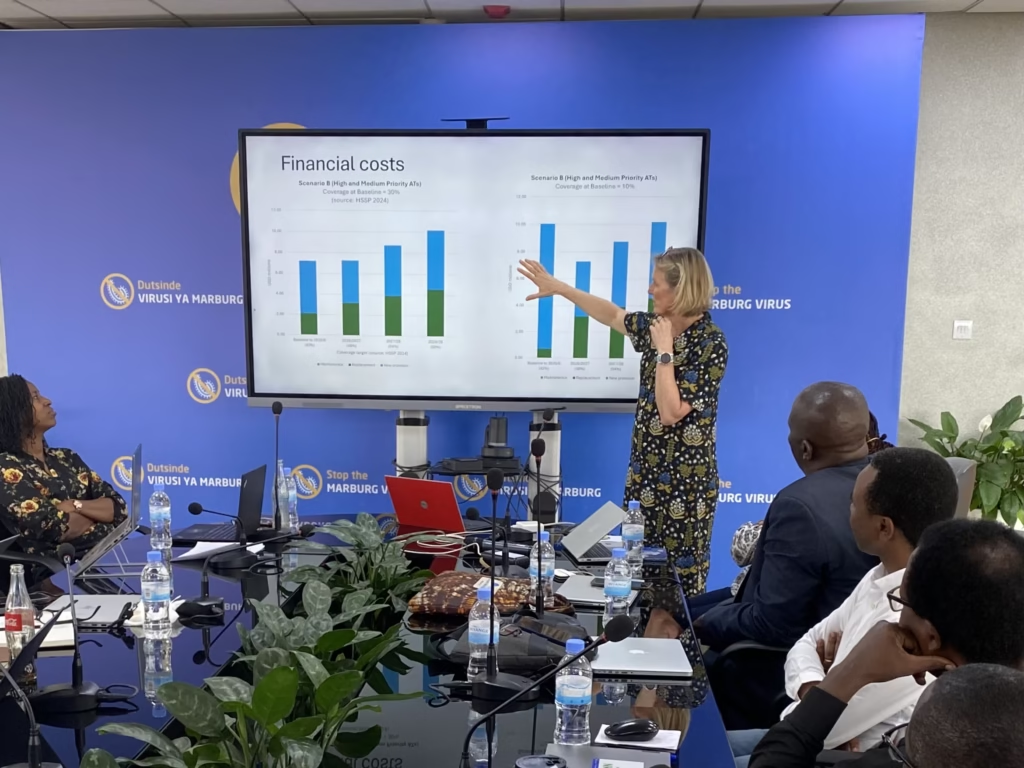
In Rwanda, we supported a comprehensive sectoral review of cancer services as part of the broader Health Benefits Package (HBP) reform under the Community-Based Health Insurance (CBHI) scheme from 2021 to 2025. Rather than reassessing the entire HBP, the government prioritised cancer as a high-burden and high-cost disease area requiring structured and evidence-informed prioritisation.
In collaboration with the University of Rwanda, the Rwanda Social Security Board (RSSB), Ministry of Health, the London School of Hygiene and Tropical Medicine, and other (inter)national stakeholders, we developed and applied adaptive Health Technology Assessment (aHTA) methods to assess 49 cancers, each divided into basic, core and enhanced service packages. The review generated cost-effectiveness evidence under significant time, data and capacity constraints. This represents the first large-scale assessment of multiple cancers simultaneously to inform HBP design in a low-income setting.
Cancer incidence in Rwanda has increased, with substantial pressure on CBHI reimbursement and national health budgets. While Rwanda has strong UHC coverage (over 80% insured through CBHI), expanding access to high-cost cancer treatments posed fiscal sustainability challenges.
The Ministry of Health initiated a multi-stakeholder prioritisation process assessing cancers against nine criteria, including:
The specific objectives of the cost-effectiveness component were to:
The assessment demonstrated that large-scale sectoral cost-effectiveness review is feasible within 3–4 months using adaptive HTA methods. Access to pre-extracted CEA databases significantly reduced analytical burden, while structured expert elicitation filled critical evidence gaps.
Key findings include:
The Rwanda experience shows how adaptive HTA can support evidence-informed benefit package design in resource-constrained settings, particularly for complex and high-cost disease areas like cancer.
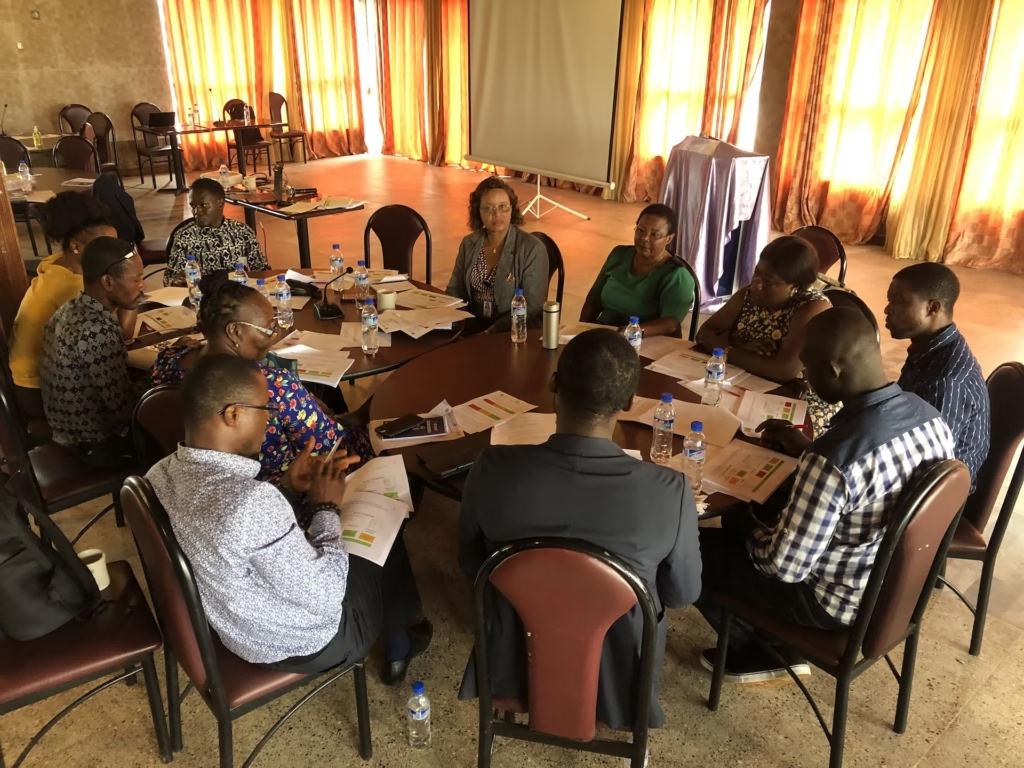

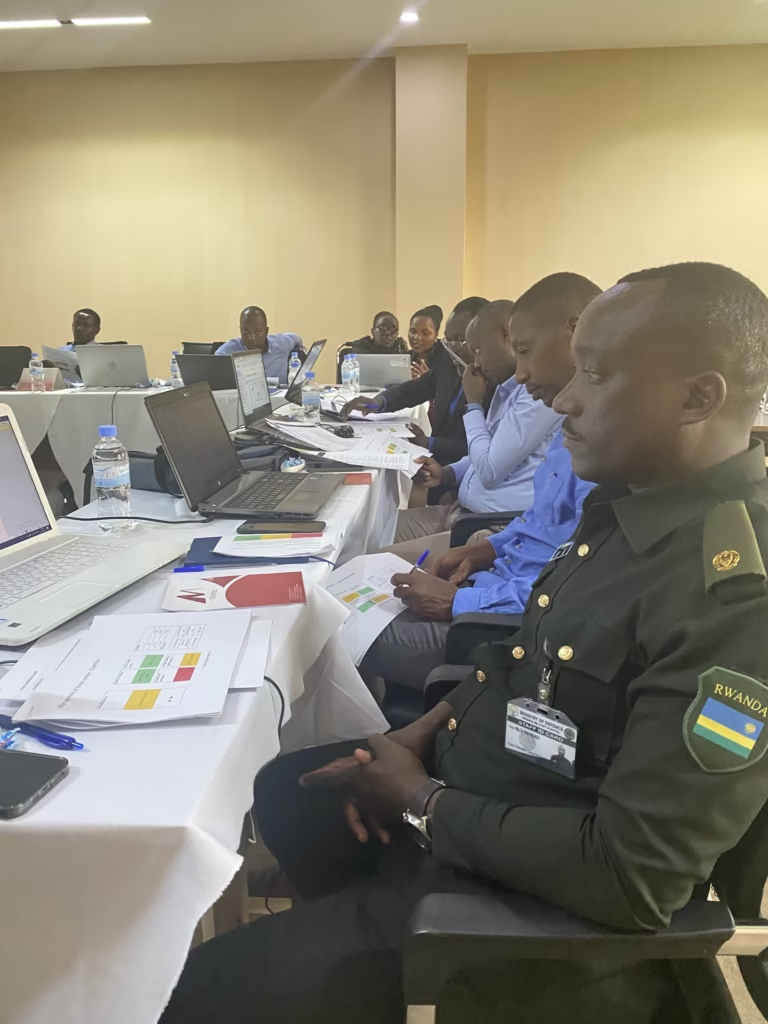
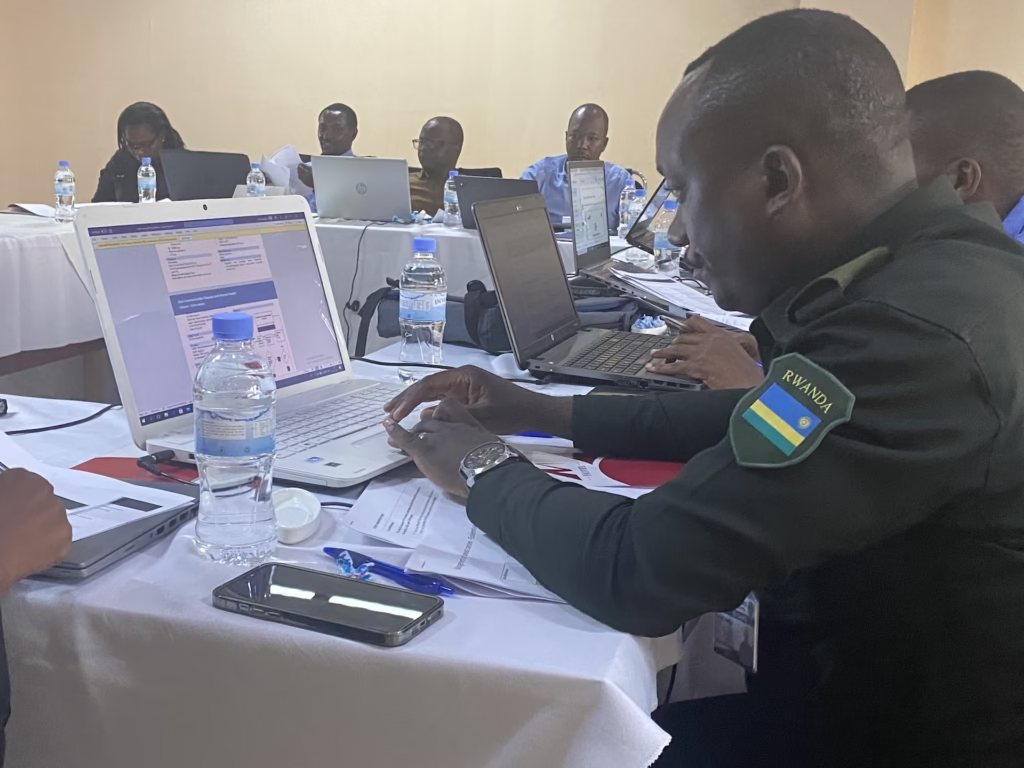
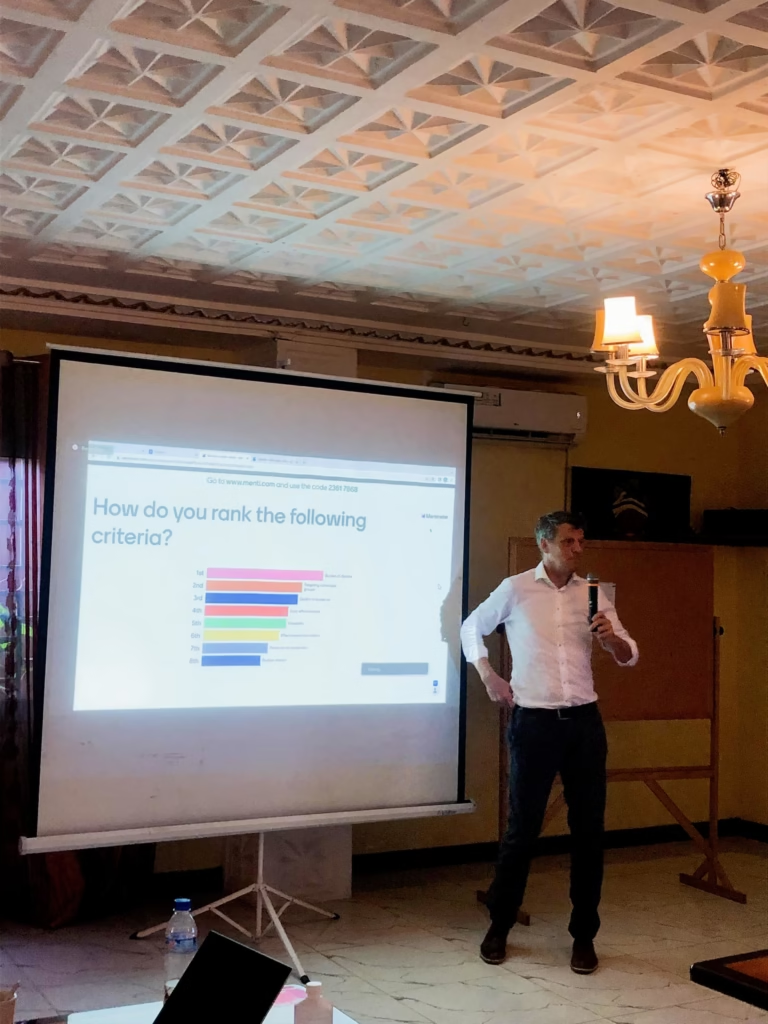
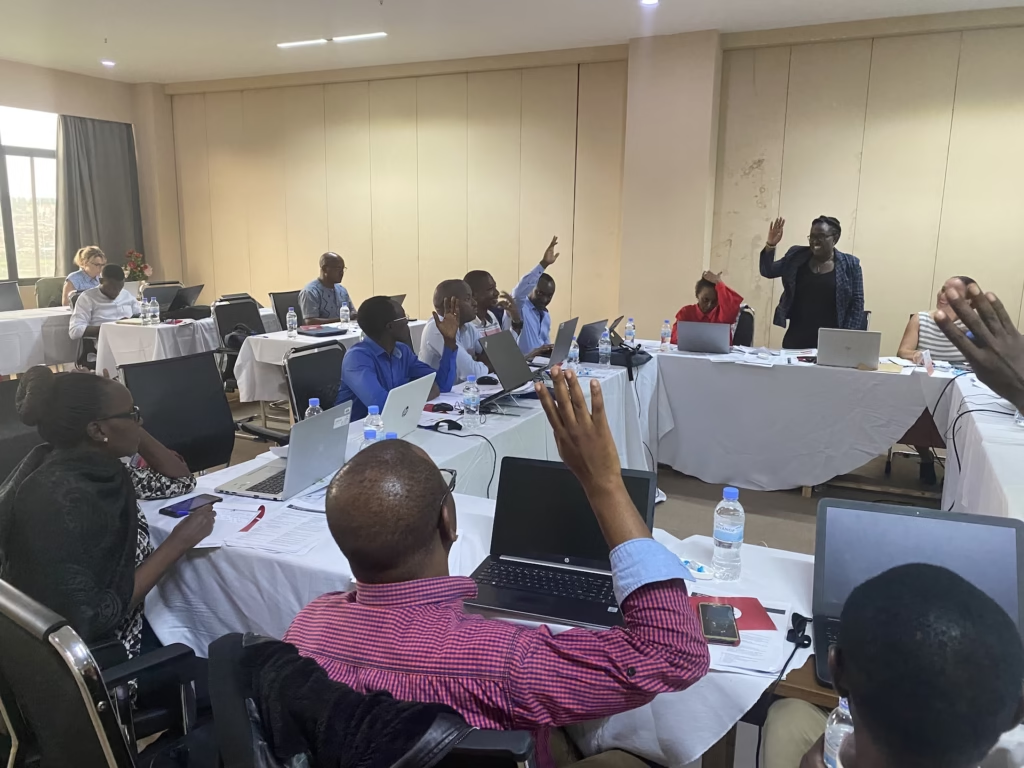
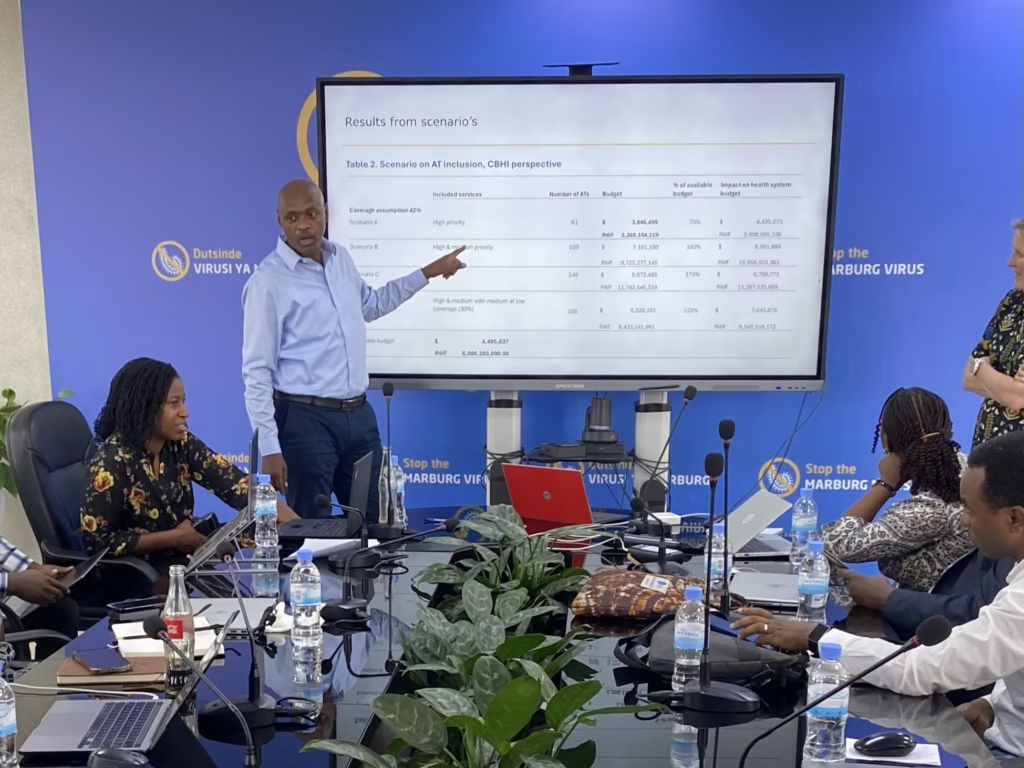
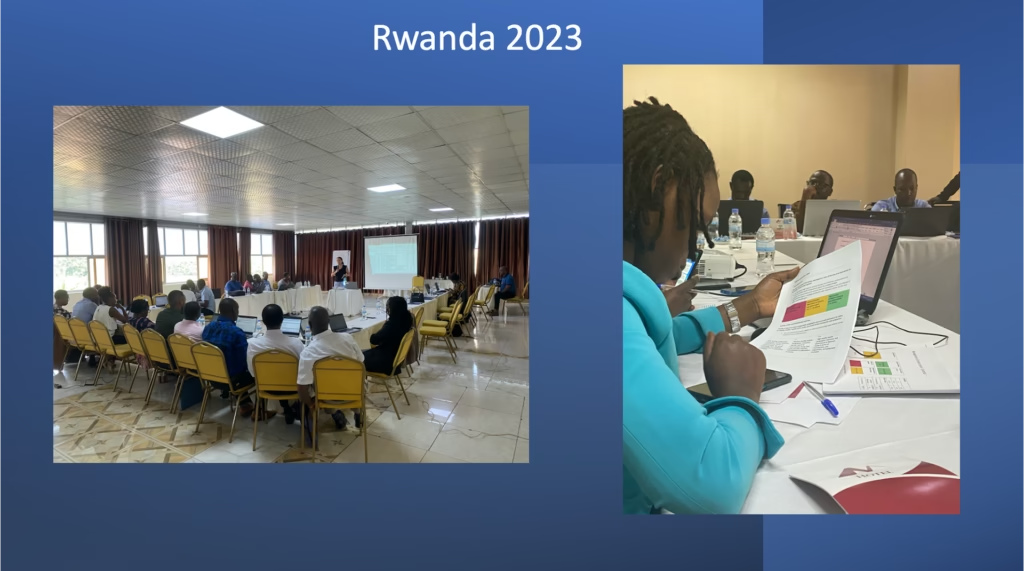
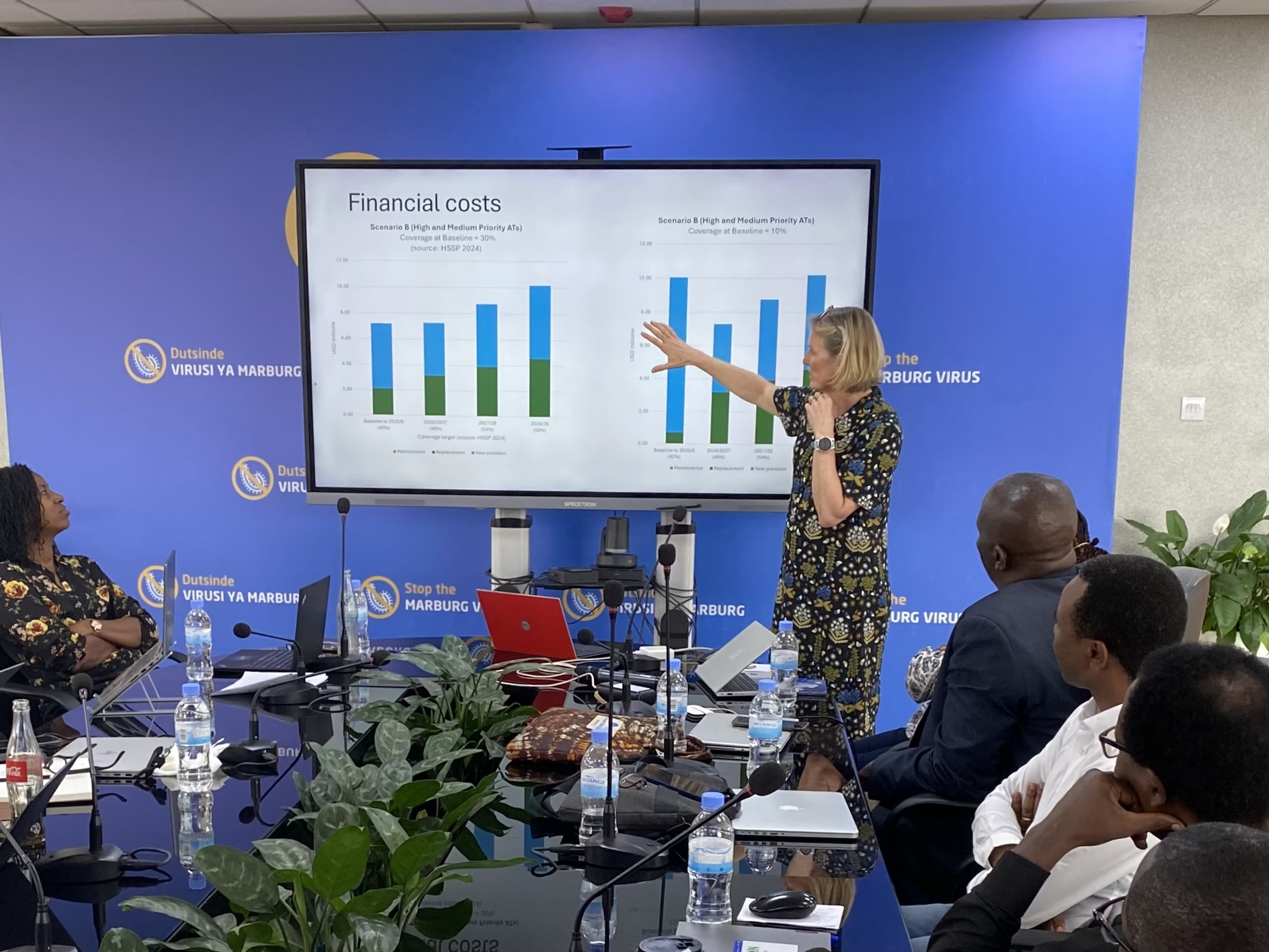
In Rwanda and Kenya, we co-lead the NIHR-funded SHARP (Shaping Health Packages and Researching Priorities) consortium. The programme, running from 2025-2028, supports the design, evaluation and institutionalisation of Health Benefit Packages using Evidence-Informed Priority Setting.
The consortium combines formative and evaluative research to strengthen how benefit packages are designed, implemented and revised. Areas of research include evidence assessment, implementation constraints, and strengthening patient and community involvement in HBP processes.
Our focus in Rwanda is on Work Package 1.2, which addresses a critical gap in many low- and middle-income countries: how to meaningfully involve patients, communities and the public in priority setting for health benefit packages.
Although stakeholder engagement is widely recommended, few countries have structured procedures for patient and community involvement in reimbursement or benefit design decisions. The SHARP programme therefore seeks to:
The work distinguishes between consultation (soliciting perspectives) and participation (direct involvement in decision-making bodies), recognising that optimal strategies depend on institutional context and stakeholder readiness.
Through stakeholder mapping, systematic review, focus group discussions and co-design workshops, the programme develops practical and implementable strategies for community engagement in HBP decision-making.
The objective is not symbolic participation, but to strengthen legitimacy, transparency and accountability of national priority setting systems.
SHARP positions community and patient involvement not as an add-on, but as a core component of institutionalised Evidence-Informed Priority Setting. The work generates practical guidance for African settings and contributes to regional capacity building in collaboration with Africa CDC.

In the Emirate of Abu Dhabi (UAE), we supported the Department of Health (DoH) in establishing a structured programme to institutionalise Health Technology Assessment (HTA) for reimbursement decisions and broader benefit package design. Guided by the Evidence-Informed Deliberative Processes (EDP) framework, we worked with DoH to develop a practical roadmap for stepwise HTA implementation.
Rather than launching a full HTA agency immediately, the reform focused on stakeholder alignment, clear procedures and governance design. Through collaborative design and consultation, the resulting roadmap provides a multi-year plan to strengthen transparency, explicit decision criteria, stakeholder involvement, communication and local HTA capacity—aimed at improving value for money and the sustainability of health financing.

Abu Dhabi has compulsory health insurance with multiple schemes and benefit schedules across population groups. At the same time, healthcare spending pressures have increased due to demographic and epidemiological change and the rapid introduction of innovative (and often costly) technologies. Stakeholders recognised that HTA principles were present but not yet sufficiently embedded in a consistent, timely and transparent decision-making process.
DoH identified key challenges: limited internal capacity for economic and HTA analysis; dependence on external expertise; and unclear coordination and mandates between units responsible for market approval versus pricing and reimbursement. These issues contributed to delays and an accumulating backlog of technologies awaiting assessment.
The main objectives were to:
The process produced a DoH-approved, multi-year roadmap to establish a comprehensive HTA framework in Abu Dhabi. Key elements include setting up an HTA structure and committees embedded in the existing health sector set-up, defining scope and decision criteria, strengthening communication and transparency, and building sustainable HTA capacity.
Our work in Abu Dhabi has been done in collaboration with Abu Dhabi Department of Health, United Arab Emirates.

In Moldova, we supported the development of a national roadmap for institutionalising HTA to strengthen evidence-informed decision-making in the health system. The initiative focused on building the governance, procedural and technical foundations required to introduce HTA in a structured and sustainable way.
Rather than immediately launching full HTA implementation, we worked with national stakeholders to design a phased reform strategy emphasising institutional design, stakeholder alignment and capacity development. The roadmap provides a sequenced approach for embedding HTA within national health financing and benefit package decision processes.

Moldova faces fiscal constraints, rising pharmaceutical expenditures and increasing demand for new health technologies. While technical expertise existed in parts of the system, decision-making processes for reimbursement and inclusion of services lacked formal HTA structures.
The Ministry of Health therefore sought to:
The objective was not only technical capacity building, but institutionalisation of transparent and structured priority setting mechanisms.
The roadmap clarified the institutional pathway for HTA development in Moldova and provided a realistic sequencing strategy. It identified governance anchoring, methodological standardisation and capacity building as key priorities.
Moldova’s experience illustrates how middle-income countries can move toward structured priority setting through careful institutional design and sequencing.
As a follow-up project, we supported the School of Public Health Management in Moldova to develop an introductory course on HTA. The course targets first- and second-year master’s students, and health professionals enrolled in continuing education. In the first year (2024), 49 master’s students and 26 health professionals were trained.
Our work in Moldova has been done in collaboration with the Ministry of Health, CNAM, and the School of Public Health Management in the Republic of Moldova.

In collaboration with national stakeholders, we developed and applied an EDP to support the revision of the national health insurance benefit package, using multiple sclerosis (MS) as a test case for structured priority setting. Rising costs of MS treatments and growing budget pressure made this condition a politically and financially salient example for reform.
Rather than redesigning the entire package, the initiative focused on introducing a transparent and evidence-informed process for revising coverage decisions within the existing health insurance system. The MS case served as a concrete entry point for institutional reform.
Iran’s social health insurance system covers a large share of the population, but benefit package expansion over time had not always followed explicit criteria or systematic assessment. High-cost MS medicines, increasing demand and fiscal pressure highlighted the need for clearer and more consistent decision-making.
The objectives of the reform were to:
The MS case provided an opportunity to test structured appraisal within existing governance frameworks.
The MS appraisal process introduced greater structure and transparency into benefit package revision. Explicit criteria and documented deliberation reduced arbitrariness and improved clarity in reimbursement decisions.
Iran’s experience demonstrates how EDPs can support systematic benefit package revision within established social insurance systems.